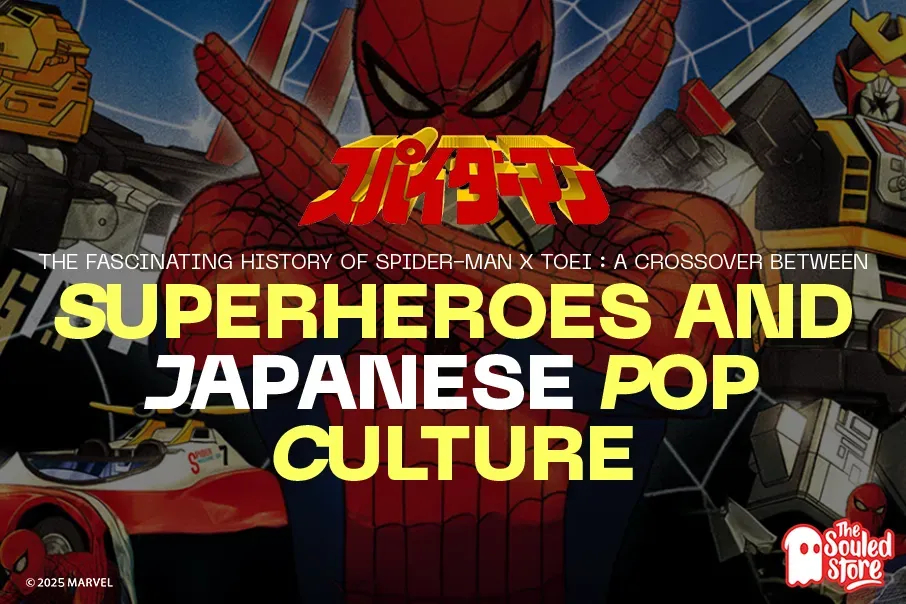
Spider-Man, one of the most iconic superheroes in the world, is beloved for his red-and-blue suit, web-slinging abilities, and his “friendly neighborhood” ethos. His adventures have captured the hearts of millions globally, but there’s a lesser-known chapter in his history that had a unique impact on both superhero and anime cultures. In 1978, Spider-Man made his debut in a live-action TV series that was created through an innovative partnership between Marvel Comics and Toei Animation. This marked the beginning of an exciting cultural crossover, blending the world of Western superheroes with Japanese animation and live-action traditions.
The Spider-Man x Toei series stands as a defining moment in the history of both superhero storytelling and Japanese tokusatsu (live-action special effects) TV shows. It introduced a unique take on the beloved superhero, infusing elements of Japanese pop culture and animation styles into Spider-Man’s world. This fusion not only created a fresh version of the character but also shaped the future of superhero adaptations in Japan and beyond. Let’s dive into the story behind Spider-Man x Toei, its cultural impact, and its lasting legacy.
A Bold New Direction: The Birth of Spider-Man x Toei
The partnership between Marvel and Toei began during the 1970s when superheroes were starting to gain significant popularity in Japan. Seeking to expand its reach, Marvel granted Toei Animation the rights to adapt Spider-Man for the Japanese market. Toei, a well-established Japanese production company known for its influence in the world of tokusatsu, was tasked with giving Spider-Man a unique makeover for a live-action TV show.
The result was Supaidāman, a live-action TV series that aired in Japan in 1978. This version of Spider-Man was very different from the traditional portrayal seen in Western comics. Toei incorporated popular Japanese storytelling elements, particularly from the tokusatsu genre, which is known for its exaggerated action sequences, special effects, and oversized costumes. The Japanese Spider-Man’s origin story underwent a complete overhaul while still keeping the core values of the character intact.
In this version, Peter Parker, now a Tokyo-based photographer, gains his powers not through a radioactive spider bite but from an alien named Garia. This change added a new layer of science fiction to the narrative, which perfectly fit the tone of Japanese superhero dramas. Garia gives Peter a “Spider Bracelet” that allows him to transform into Spider-Man at will. Additionally, Spider-Man in Japan had access to a giant robot, Leopardon, which he used to battle gigantic monsters threatening Tokyo. This combination of superhero action and mecha influences set the stage for a new era of Spider-Man.
The Cultural Impact of Spider-Man x Toei in Japan and Beyond
When Supaidāman premiered, it struck a chord with Japanese audiences. The show blended superhero tropes with tokusatsu-style action, attracting fans who were familiar with larger-than-life characters and over-the-top special effects. The success of this series in Japan helped introduce Western superheroes in a distinctly Japanese form, bridging the gap between Western comic book characters and Japanese anime, television, and tokusatsu.
Not only did Supaidāman spark a surge of interest in superhero content in Japan, but it also paved the way for other Marvel properties to be adapted into anime and tokusatsu formats. Marvel soon recognized the potential for blending their characters with Japanese animation styles, leading to anime versions of iconic superheroes like The Avengers, Iron Man, and X-Men in later years.
Although Supaidāman was never officially released in the United States, its influence on superhero media across the globe is undeniable. For many fans, this version of Spider-Man served as an introduction to the world of tokusatsu, mecha anime, and Japanese pop culture, influencing the tastes of a generation of fans worldwide.
Key Features of the Spider-Man x Toei TV Series
While the Supaidāman series may differ significantly from its Western counterparts, there are several standout features that made it a memorable adaptation. Here are a few highlights:
- Tokusatsu Action: A defining feature of the Japanese Spider-Man was the reliance on tokusatsu action, which included extravagant special effects, miniatures, and dramatic battles. Instead of the street-level brawls Spider-Man typically engaged in, the Toei version saw him face off against giant monsters and mecha robots, adding a grand, cinematic quality to the show.
- Leopardon: One of the most unforgettable elements introduced in this series was Leopardon, a giant robot controlled by Spider-Man. This addition to the Spider-Man mythos was inspired by mecha anime shows like Mazinger Z and Voltron and became a signature feature of the Japanese series.
- A New Origin Story: Unlike the comic books where Peter Parker is bitten by a radioactive spider, the Japanese adaptation reimagines his origin. Here, Peter gains his powers from Garia, an alien fighting the evil Iron Cross Army. This allowed the series to incorporate more adventurous, sci-fi elements in line with tokusatsu traditions.
- Cultural Adaptation: While Spider-Man maintained some key traits—such as his spider sense and wall-crawling abilities—the show was adapted to better fit Japanese pop culture. The setting, supporting characters, and storylines were crafted with Japanese sensibilities in mind, creating a unique blend of Eastern and Western influences.
The Lasting Legacy of Spider-Man x Toei
Though the Supaidāman series lasted for just one season, its impact on both Marvel and Japanese pop culture cannot be overstated. It was a groundbreaking experiment in blending Western superheroes with Japanese storytelling, and its success opened the doors for future adaptations of Western characters into anime and tokusatsu formats.
The series also helped solidify Spider-Man’s place as a global icon. The adaptation reached new audiences in Japan and demonstrated that superheroes could transcend cultural barriers. Spider-Man was no longer just an American hero—he was now a worldwide sensation, thanks to the creative fusion of Marvel and Toei.
Final Thoughts: The Spider-Man x Toei Legacy in Modern Pop Culture
The Spider-Man x Toei collaboration is more than a quirky footnote in the superhero timeline. It stands as a pioneering effort to bridge storytelling traditions from East and West — a bold reimagining that respected both Spider-Man’s core values and Japan’s vibrant television culture.
For fans of superhero stories, anime, and pop culture at large, this unique adaptation is a testament to the power of creativity across borders. It reflects the evolving nature of global fandom, where characters can be reborn in new forms, finding fresh resonance with audiences around the world.
Pop Culture’s Ongoing Evolution: Powered by Passion
As global fandoms continue to evolve and shape entertainment trends, platforms that celebrate and engage with pop culture remain vital. The Souled Store stands as one of the leading voices in this space, known for championing fan-driven communities and the cultural moments that define them. With a deep-rooted passion for storytelling and self-expression, it embraces the spirit of modern fandom — diverse, bold, and ever-growing.
FAQs About Spider-Man x Toei
- What was the Spider-Man x Toei collaboration?
The Spider-Man x Toei collaboration was a partnership between Marvel Comics and Toei Animation in 1978 that resulted in a live-action Japanese TV series featuring Spider-Man with a unique origin and superhero adventures.
- How is the Japanese Spider-Man different from the original Marvel version?
The Japanese version features a reimagined origin story where Peter Parker gains his powers from an alien named Garia, and the series also includes a giant robot called Leopardon, which is not part of the traditional Marvel mythos.
- Why was the Japanese Spider-Man so popular?
The Japanese adaptation appealed to local audiences because it blended superhero themes with the popular tokusatsu genre, which featured giant monsters and elaborate special effects, creating a unique and exciting viewing experience.
- Did Spider-Man x Toei air in the United States?
The Spider-Man x Toei series was not aired in the United States, but its influence can be seen in later Japanese adaptations of Marvel characters and superhero anime series.
- What is the significance of the Leopardon robot in Spider-Man x Toei?
The Leopardon was a giant robot controlled by Spider-Man to fight against massive monsters, marking a significant departure from the traditional superhero format and blending elements of mecha anime with the superhero genre.
- How did Spider-Man x Toei influence future superhero adaptations?
The collaboration showed that Western superhero characters could be successfully adapted to Japanese formats, paving the way for other superhero anime adaptations, including X-Men and Iron Man.
- Was the Spider-Man x Toei series successful in Japan?
Yes, the series was quite successful in Japan and became a cultural phenomenon, contributing to the popularity of superhero shows and anime in the country.
- Can I watch Spider-Man x Toei today?
While the series is not widely available in the United States, it can be found through various niche streaming services or collectors’ editions in Japan.
About The Souled Store
The Souled Store is a leading pop culture merchandise brand that celebrates fans and their passions. We curate an extensive collection of high-quality products inspired by the fandoms that define popular culture. From movies and TV shows to music, comics, and gaming, we bring iconic characters and moments to life through fashion and lifestyle products.
Our mission is to empower individuals to express their unique fandoms and create a sense of community for fans worldwide. At The Souled Store, we’re not just about merchandise – we’re about celebrating the culture that connects us all. Ready to revamp your wardrobe? — Start Shopping Now!